
Have you ever wondered how soldiers can operate effectively, even in the darkest of nights or the thickest fog? It’s not just about night vision goggles; it’s about the more advanced thermal imaging technology, essential in military optics.
Understanding Thermal Imaging
Thermally imaging, a revolutionary advancement, allows you to see the unseen by detecting the heat emitted by objects rather than relying on visible light. This technology is a game-changer, especially in military settings where clarity and accuracy can significantly impact mission outcomes.
The Basics of Thermal Detection
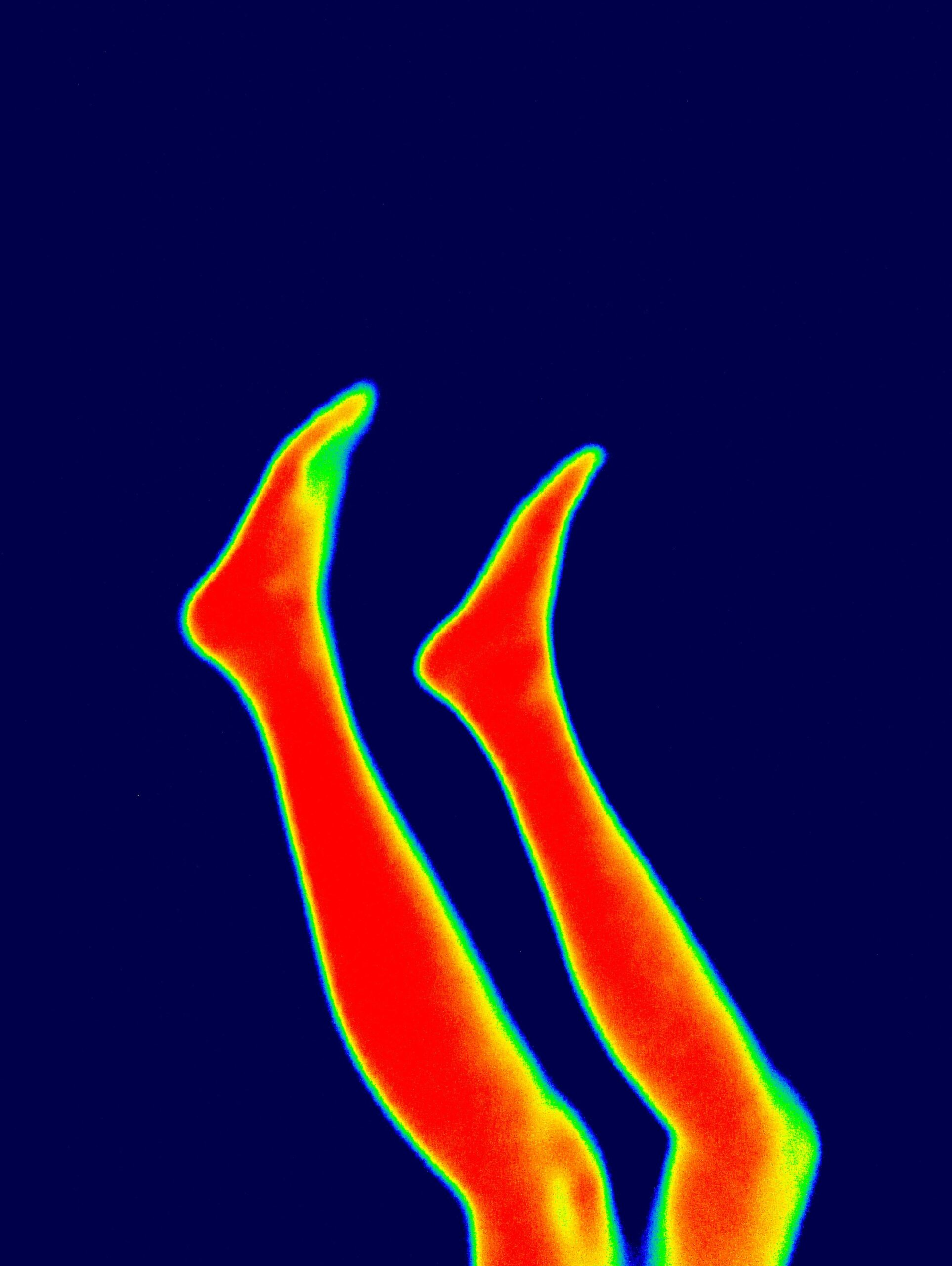
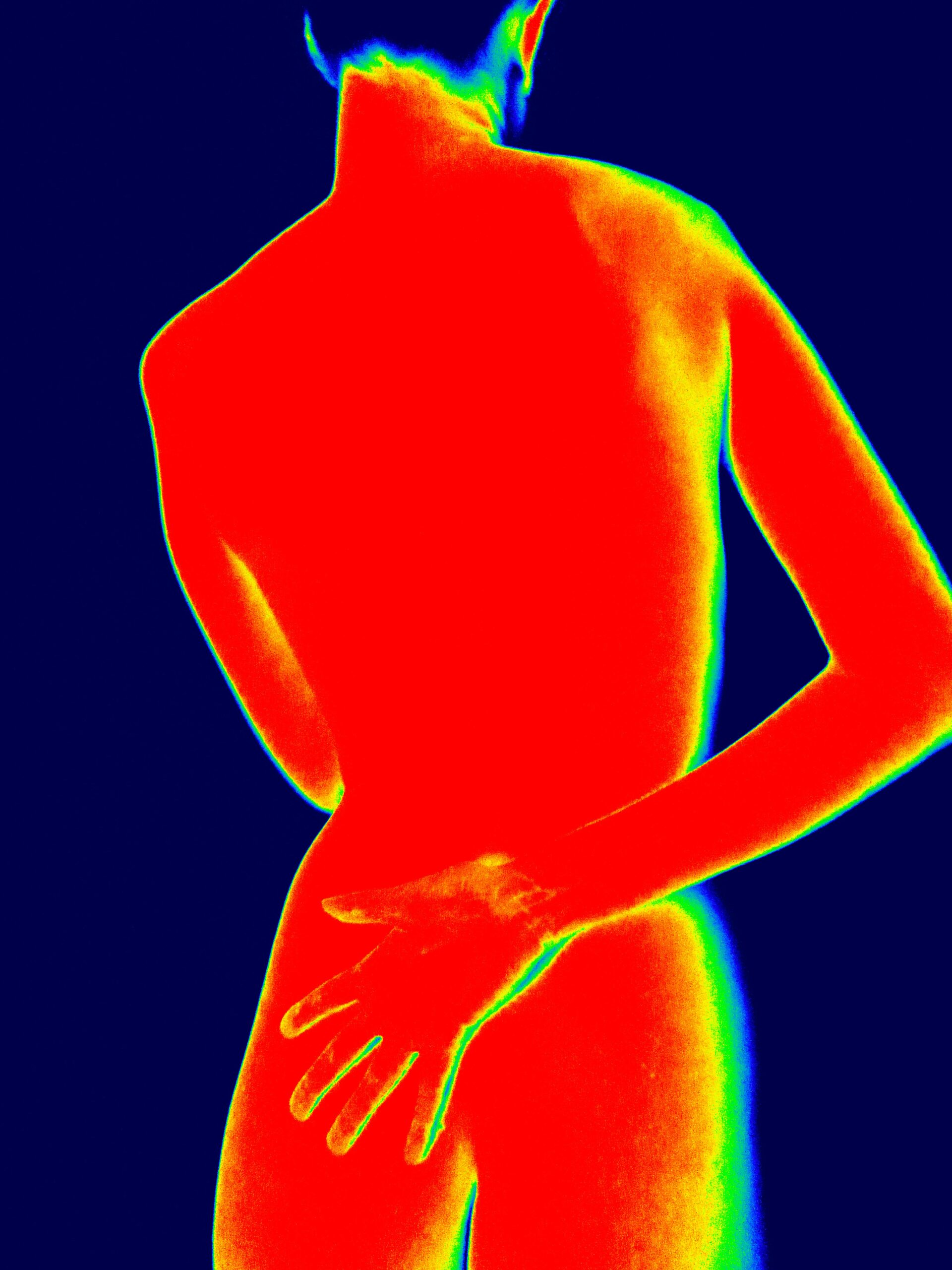
At the core of thermal imaging is the ability to spot temperature differences between objects and their surroundings. This comes from the principle that all objects above absolute zero emit infrared radiation. The hotter an object, the more infrared radiation it produces. Thermal cameras capture this radiation, transforming it into visible images, helping you “see” heat.
Infrared Spectrum Explained
Thermal imaging operates on the infrared spectrum, which spans from approximately 0.7 to 14 microns. This is beyond the range of human vision, allowing you to see thermal signatures in complete darkness or through obscurants like smoke and fog. This distinct capability sets thermal optics apart from standard night vision, which amplifies available light.
| Spectrum Range | Type | Use in Imaging |
|---|---|---|
| 0.7 – 1.4 µm | Near-Infrared (NIR) | Limited thermal use |
| 3 – 5 µm | Mid-Wave Infrared (MWIR) | High sensitivity in cooler environments |
| 8 – 14 µm | Long-Wave Infrared (LWIR) | Common in thermal imaging devices |
How Military Optics Incorporate Thermal Imaging
Military optics have integrated thermal imaging to boost capabilities significantly. This integration plays a critical role in reconnaissance, targeting, and overall situational awareness.
Night Operations
Operating in complete darkness is challenging, but thermal imaging makes it manageable. Thermal systems can detect heat signatures without additional light sources, helping you spot hidden threats or track movement under the cover of night.
Detection through Camouflage
Camouflage can be effective against visual detection, but not when it comes to thermal imaging. Since infrared sensors detect heat, camouflaged objects, which can’t mask heat efficiently, become detectable, neutralizing potential hiding spots.
All-Weather Surveillance
Weather can be unpredictable; however, thermal imaging stands resilient. It’s usable in rain, fog, smoke, and myriad other conditions that can impair visibility. This reliability ensures you aren’t blind due to environmental factors.
Components of Military Thermal Imagers
Understanding the components that make up a thermal sight will give you a clearer picture of its functionality.
Lens
The lens in a thermal imaging device directs infrared radiation onto the detector. Made from materials like germanium or zinc selenide, these lenses are specifically designed to allow infrared light to pass through effectively.
Detector
The detector or sensor is crucial in thermal imaging devices. It captures the infrared radiation and converts it into an electronic signal. There are two main types of detectors used:
- Cooled Detectors: These are more sensitive and can detect smaller temperature differences, useful for long-range and high-performance needs.
- Uncooled Detectors: These operate at room temperature and are more common in portable and lightweight applications.
Processing Unit
After detection, the electronic signal undergoes processing. This unit converts the data into an image you can interpret, often displayed in grayscale, where variations in temperature appear as different shades.
Display
Finally, the processed image is projected onto a display. Military displays are often robust, designed to function in rugged environments, allowing you to view the thermal scene clearly.
Types of Military Thermal Imaging Devices
Different operations require different solutions. Military optics utilize various thermal imaging devices, each tailored for specific applications.
Reconnaissance Cameras
Thermal cameras designed for reconnaissance are essential in surveying large areas. They help detect enemy positions and movements, providing strategic advantages by relaying real-time thermal imagery to command centers.
Thermal Weapons Sights
Attaching a thermal imaging sight to your weapon allows you to engage targets based on heat signatures rather than visual or ambient light. This means even in complete darkness or adverse conditions, you can maintain targeting accuracy.
Handheld/Portable Thermal Viewers
Portable thermal binoculars or monoculars give soldiers flexibility. Easy to carry, these devices allow for quick deployment when the situation demands, making them perfect for ground troops who need immediate information on their surroundings.
Advances in Thermal Imaging Technology
As technology evolves, so too does the capability and application of thermal imaging in the military.
Improved Image Resolution
Early thermal imagers had lower resolution, but advancements now deliver high-definition thermal images. This level of clarity provides you with sharper images, essential for accurately identifying objects or threats at a distance.
Enhanced Detection Range
Technological improvements have increased the effective range of thermal imagers. Being able to detect heat signatures from further away means increased safety and preparation time, crucial in military strategy.
Integration with Other Systems
Modern optics don’t function in isolation. Integration with other systems, such as radar and geolocation services, provides comprehensive situational awareness. This fusion of technologies gives you a potent toolset for informed decision-making.
AI and Machine Learning in Thermal Imaging
Artificial intelligence and machine learning are beginning to play a role too. AI algorithms can process thermal images in real-time, identifying potential threats faster than the human eye alone.
Challenges in Thermal Imaging
Despite its impressive capabilities, thermal imaging technology also faces challenges needing innovative solutions.
Environmental Influences
Certain environments can be challenging for thermal imaging systems. Icy or extremely arid conditions can sometimes reduce the contrast in thermal images, demanding higher sensitivity detectors for effective operation.
Cost and Accessibility
Advanced thermal imaging systems, particularly those using cooled detectors, can be prohibitively expensive, limiting accessibility. Research into more cost-effective materials and systems continues to address this issue.
Power Consumption
High power consumption is another hurdle, especially for portable devices. Innovations focusing on energy-efficient designs are needed to develop longer-lasting systems that don’t compromise performance.
Future of Military Thermal Imaging
Compact and Lighter Systems
Efforts to make systems compact and lighter continue, promising increased mobility and efficiency in the field. Such improvements are vital in maintaining the operational pace and reducing physical strain on personnel.
Higher Integration with Combat Systems
The future looks towards greater integration with combat systems. Combining thermal imaging with augmented reality to provide you with live data overlays could enhance decision-making in intense operational environments.
Convergence with Virtual Reality
Virtual Reality (VR) applications could offer simulations for training soldiers, combining thermal imaging with VR for a realistic and effective training experience without real-world risks.
Conclusion
Thermal imaging plays a crucial role in modern military optics, providing clarity and precision in any condition or situation. It’s a technology that not only enhances operational capabilities but also ensures the safety and superiority of those on the frontline. As technology continues to evolve, so will the effectiveness and versatility of thermal imaging in the military, offering even greater potential in future military operations. Understanding and adapting to these changes can keep you equipped with the best tools for the tasks ahead.