
?Have you ever stood at the edge of a field or a beach and wanted to pull distant things close enough to read like a book, but without hauling a telescope that takes up the whole back seat?

Quick Verdict
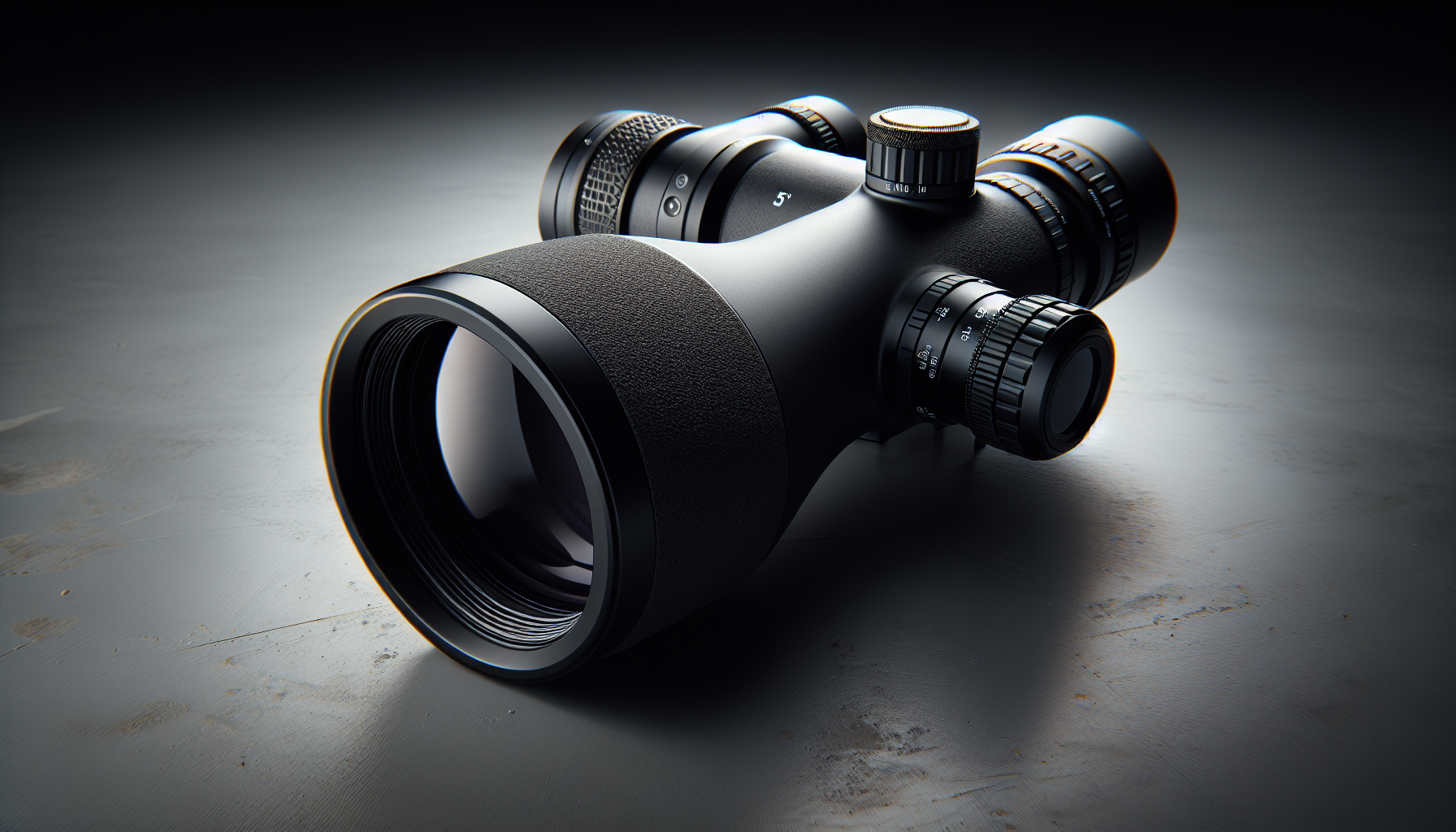
You get a compact, camera-adaptable Schmidt-Cassegrain that feels like a precision tool and behaves like a companion. The Celestron – C5 Angled Spotting Scope – Schmidt-Cassegrain Spotting Scope – Great for Long Range Viewing – 50x Magnification with 25mm Eyepiece – Multi-Coated Optics – Rubber Armored is the sort of optic that insists on being taken seriously, yet forgives the occasional clumsy setup.
At a Glance: Full Specs
You like numbers and you need to know what the glass offers before you bring it into your life. The table below breaks down the major specs so you can compare without squinting.
| Feature | Specification |
|---|---|
| Optical Design | 5″ (127mm) Schmidt-Cassegrain |
| Aperture | 127 mm (5 inches) |
| Focal Length | 1250 mm |
| Focal Ratio | f/10 |
| Typical Magnification | 50x (with included 25mm eyepiece) |
| Optics | Multi-coated |
| Body | Rubber armored |
| Weight | ~6 lbs |
| Length | ~11 inches |
| Finder | 6×30 erect image finderscope |
| Case | Water-resistant soft-sided carrying case |
| Camera Adaptability | T-adapter and T-ring compatible (sold separately) |
| Warranty | Celestron Limited Lifetime US Warranty & US-based tech support |
Design and Build
You notice right away that the C5 is compact in a way that feels deliberate, not compromised. It’s the kind of design that says the engineers aimed for balance: optical power without the bulk and an armor that keeps it from becoming your fragile obsession.
Optical Tube and Housing
The Schmidt-Cassegrain tube looks like a spaceship part and behaves like one under the sky. Its compact folded optics mean less length for the same focal length, and the rubber armor gives you the sort of grip that makes you want to pick it up and walk.
Eyepiece and Angle
The angled design keeps your neck from becoming the thing you curse by dusk. You’ll find viewing in the field more comfortable with the eyepiece pointed up and back, and that angle proves particularly kind during long observation sessions.
Finderscope and Accessories
You get a 6×30 erect image finderscope, which is helpful when aligning on distant targets rather than searching a tiny patch of horizon. It’s modest, effective, and it won’t steal the show from the main optics.
Optics and Image Quality
You demand clarity and contrast, because seeing is the whole point. The C5’s multi-coated optics deliver bright, sharp views especially when the conditions cooperate, and that f/10 configuration can make distant details feel stubbornly accessible.
Aperture and Light Gathering
A five-inch aperture is a quiet powerhouse in this class, meaning you collect a lot of light for a portable scope. In practice that translates to brighter images at dawn and dusk when many birds and animals are most active, and when your camera might be pleading for exposure.
Focal Length and Magnification
With 1250 mm of focal length you’re stepping into serious telephoto territory without needing a tripod the size of a lamppost. Your 25mm eyepiece pushes you to 50x, which is a sweet spot for long-range viewing where field of view and detail meet and have an argument.
Coatings and Contrast
Multi-coated optics reduce glare and keep contrast intact, so you’re not staring into a washed-out painting of whatever you’re observing. The coatings help maintain color fidelity across the frame, and colors come through honest and readable.
Performance in the Field
You will test the C5 in wind, in gull-light, in treeline shimmer, and mostly by getting up close to far-away things. It responds like a disciplined instrument: when conditions are calm, it sings; when the air is heated, it reminds you that atmosphere has its own opinions.
Birdwatching and Wildlife
For birders, the C5 is a tool that makes distant plumage legible. You’ll pick out bands, subtle markings, and sometimes the little flickers of behavior that make a sighting into a story. You’ll also find the angled eyepiece particularly forgiving during long stakeouts where neck comfort becomes a moral issue.
Target Shooting and Range Use
If you’re at a shooting range, the C5 gives you a confident, stable view of target hits and grouping at significant distances. The long focal length and sharp optics let you judge shot placement precisely, and the scope’s ruggedness means you won’t baby it between sessions.
Coastal and Maritime Use
On shorelines you’ll appreciate the C5’s ability to render distant boats, markers, and birds without looking like you’re using a science project. Rubber armor helps resist slips and salt air, but you’ll still want to rinse metal components if you use it regularly by the sea.

Portability and Setup
You can carry the C5 without converting your trip into a logistical puzzle. It’s compact and packable, and though it’s no feather, it doesn’t demand the muscular commitment of larger optics.
Weight and Size Considerations
At approximately six pounds and eleven inches long, the scope fits into a car and into a backpack with an appropriate case. You can carry it for short hikes without resenting it, and it won’t require a vehicle roof rack.
Tripod and Mounting
You should use a solid tripod; the optics are serious enough that a wobbly base will become your enemy. The scope mounts easily, and once secured you’ll find its balance makes panning and slow tracking comfortable and precise.
Case and Transport
The included water-resistant soft-sided case is a pragmatic companion for most conditions. It’s not armored like a military crate, but it protects against the usual bumps and light rain while keeping the scope ready to deploy.
Digiscoping and Photography
You might want a scope that also doubles as a telephoto lens, and the C5 promises that versatility. With the right T-adapter and T-ring, you can convert the scope into a makeshift but potent telephoto for your camera.
Camera Adaptability
The C5 is designed with photography in mind; it’s camera adaptable in a way that doesn’t feel like an afterthought. You attach the optional T-adapter and the correct T-ring for your camera, and suddenly the scope becomes a lens that can render distant scenes with impressive reach.
Image Quality for Photos
When the atmosphere plays along and the focus is sharp, your photos can have a crispness that belies the improvised lens setup. You’ll capture birds in flight, distant landscapes, and some wildlife portraits with detail that would make a mid-level telephoto squint.
Practical Tips for Digiscoping
You’ll want to use a sturdy tripod, remote shutter release or mirror lock-up where applicable, and patience for focusing. The C5 can show vibration and atmospheric shimmer, so multiple exposures and post-processing can be your allies.
Maintenance and Longevity
You’ll keep this scope for a long time if you treat it like a well-made tool and not a disposable gadget. The finish, coatings, and the optical alignment are designed to endure, and Celestron’s warranty backs up that intention.
Cleaning the Optics
You should clean the optics carefully and sparingly, using a blower and soft brush then a microfiber cloth for stubborn smudges. Abrasive cleaning is the sort of impulse that causes regret; treat the glass like a living thing that prefers gentleness.
Storage and Care
Store the scope in a dry place and keep the case zipped when not in use. If you use it in salty air or wet weather, wipe down metal parts and allow everything to dry before stowing to avoid corrosion or mildew.
Warranty and Support
You get a Celestron Limited Lifetime US Warranty and US-based tech support, which is a kind of peace-of-mind you’ll appreciate if something goes wrong. The brand has been around since 1960, and that institutional memory translates into accessible help when you need it.
Comparison with Other Designs
You may be comparing the C5 against refractors, long-focus spotting scopes, or other compact catadioptric models. Each design has personality; the C5 brings the Schmidt-Cassegrain temperament of compact power and multifunctional capability.
Schmidt-Cassegrain vs Refractor
Schmidt-Cassegrain gives you long focal length in a compact body, whereas refractors give you simplicity and sometimes crisper low-power views. With the C5, you trade a bit of complexity for portability and reach—often a good bargain when space matters.
C5 vs Larger Aperture Spotting Scopes
Compared to larger 6″ or 8″ scopes, the C5 is far more portable but gives up a touch of light gathering and potential resolution. You’ll lose some out-of-the-box detail under marginal seeing conditions, but you gain the ability to take the optic into places a bigger scope won’t go.
C5 vs Compact Spotting Scopes (Porro or Refractor)
Small refractor spotting scopes might be lighter and more straightforward, but they rarely match the C5’s raw focal length and photographic adaptability. If you want telephoto reach in a compact package, the C5 stands out.
What You’ll Use It For
You’ll want to match your expectations to what the C5 does best: long-range viewing, digiscoping, and fieldwork where portability matters. It’s not an overnight replacement for a big observatory mirror, but it’s an excellent companion for terrestrial and near-Earth sky duties.
Birding and Natural History
You’ll notice field marks, behavior, and subtle differences in plumage more reliably than with small binoculars. The C5 will help you tell one sparrow from the next in a way that feels satisfying rather than merely functional.
Target Shooting and Ballistics
At the range, you’ll use the C5 to judge shot placement and patterning with a clarity that helps you adjust and improve. You can watch the impact of adjustments in real time at ranges where binoculars become grudgingly limited.
Amateur Astronomy
You can use the C5 for casual lunar and planetary observing, though it’s primarily terrestrial in design. On nights of steady seeing, the Moon, Jupiter’s bands, and Saturn’s rings will look honest and enjoyable through this scope.
Unboxing and First Impressions
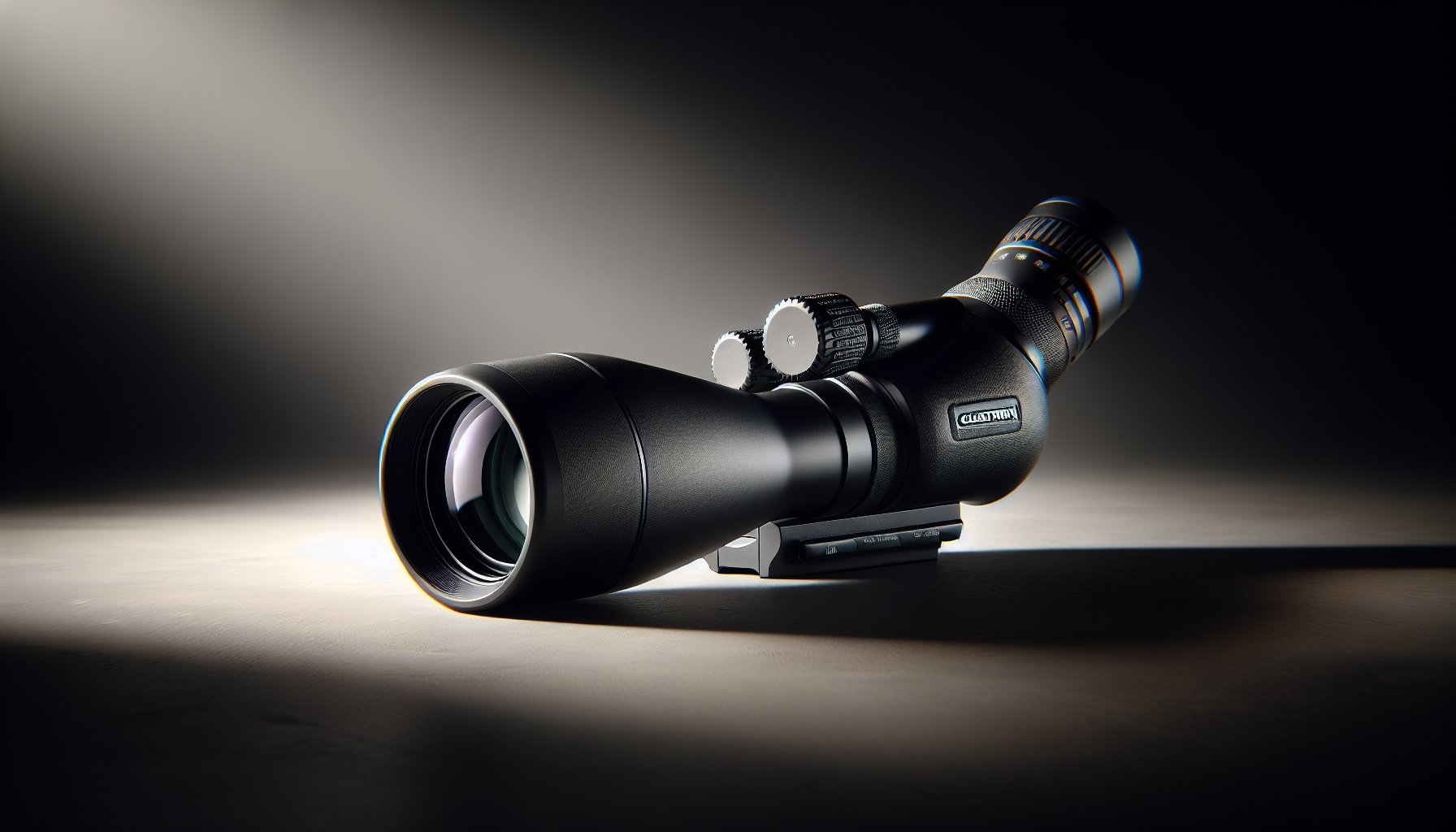
You’ll unbox the C5 with a small sense of ceremony: the soft case, the finderscope, the eyepiece, and a tidy instruction booklet. The scope feels solid, the rubber armor reassuring, and the eyepiece turns like it was made to a standard that expects you to come back for more.
What’s Included
Celestron includes the scope itself, a 25mm eyepiece (for 50x), the 6×30 finder, and a water-resistant soft-sided case. It’s a usable kit out of the box that invites immediate field testing without a second trip to the store.
First Setup Steps
You’ll mount it on a tripod, align the finder, and dial the focus. The steps are straightforward, but you should take a moment to get comfortable with the balance and focus tension before you start pushing magnification.
Practical Tips for Best Results
You want the best views, so adopt a few small habits that make a disproportionate difference. A solid tripod, a steady tripod head, and patience for atmospheric conditions will reward you with pictures and observations that feel like discoveries.
Tripod and Head Choice
Use a tripod rated for at least the scope’s weight, preferably with a smooth pan and tilt head that allows fine movement. A flimsy head will make tracking and framing jittery, and you’ll blame the scope instead of the setup.
Focusing Techniques
Use small, deliberate adjustments and let the scope settle before judging focus. You’ll find that stopping down a touch, switching to a lower magnification eyepiece, and then retightening yields better consistent results than snapping to high magnification and expecting perfection.
Managing Atmospheric Conditions
You’ll learn to read shimmer and heat—the atmosphere is a constant variable that will frustrate the best of optics. Early morning or late evening often gives calmer air, and over water or in open plain you may find better steadiness than over sun-baked fields.
Accessories Worth Buying
There are a few accessories that will make your life significantly easier while using the C5. These are the small purchases that turn curiosity into consistent performance.
T-Adapter and T-Ring
If you want to digiscope, you need the T-adapter and the correct T-ring for your camera brand. They aren’t included, but they’re what turns the C5 from scope to lens.
Quality Tripod and Head
Invest in a stable tripod and a head with smooth panning and fine adjustability. This is the difference between a good session and one where every bounce becomes a small act of frustration.
Eyepiece Options
Consider additional eyepieces for lower and higher magnifications depending on your use. The included 25mm is versatile, but adding a shorter eyepiece for higher power or a longer one for wider views will expand what you can do.
Pros and Cons
You should weigh the strengths and weaknesses before committing, so here’s a compact view of what the scope gives you and what it asks in return.
| Pros | Cons |
|---|---|
| Compact for its focal length, easy to transport | Not as bright as much larger aperture scopes in poor seeing |
| Camera-adaptable for digiscoping | Requires additional T-adapter and T-ring for camera use |
| Multi-coated optics provide good contrast | Atmospheric shimmer still limits high-magnification detail |
| Angled eyepiece is comfortable for long sessions | Soft-sided case is protective but not fully rugged |
| Trusted Celestron warranty and support | Manual focus and lack of modern electronic aids |
Troubleshooting Common Issues
You’ll encounter hiccups, because outdoors has opinions of its own. The good news is that most problems have simple fixes you can perform without calling for backup.
Fogging and Dew
If the objective fogs, pause and let temperatures equalize or use a small hairdryer at low power from a safe distance. Store silica gel in the case to reduce moisture buildup during transport and storage.
Alignment and Collimation
The C5’s mirrors rarely need frequent collimation, but if you notice asymmetric stars or blurriness, a collimation check is in order. Follow Celestron’s manual or an online guide for careful adjustment; this isn’t a place for brute force.
Vibration and Shaking
If you’re getting too much vibration, check tripod head, leg locks, and the scope’s balance. Adding a weight to the tripod’s center column or lowering your stance can turn a jittery session into a calm, usable one.
Who Should Buy This Scope?
You should consider the C5 if you want serious reach without hauling a full-size telescope, if you value photographic adaptability, and if you appreciate a durable build that won’t force you to compromise on fieldwork. It fits the person who wants a tool that’s ready for both a shoreline stakeout and a backyard moonrise.
Ideal Use Cases
You’ll do well with birdwatching, target shooting, coastal observation, and digiscoping. The C5 is particularly good for those who want a single piece of equipment to handle multiple tasks with competence.
Not Ideal If
You should not choose this if you need the absolute last word in light-gathering at faint targets; for deep-sky observing a larger aperture or a dedicated astronomical telescope will serve better. If you need a fully rugged hard case out of the box, you’ll want to invest in one separately.
The Warranty and Customer Support Experience
You’ll find reassurance in Celestron’s Limited Lifetime US Warranty and US-based support. It’s the kind of thing you hope never to use, but you’ll be grateful to have when you need to talk to a human who knows what they’re doing.
How to Make a Warranty Claim
If something goes wrong, contact Celestron’s support with your serial number and purchase details. They’ll guide you through troubleshooting and repair or replacement if necessary, which is comfort that pays dividends for long-term ownership.
Support Tips
Document the issue with photos and notes before calling; clear evidence speeds help along. Keep your purchase receipt and the scope’s serial number where you can find them—small administrative habits keep problems from getting theatrical.
Final Thoughts and Recommendation
You’ll find the Celestron C5 is an instrument with character: compact, capable, and built to be used. It’s not a showy beast of aperture, but it’s a reliable, portable long-range tool that appeals to pragmatic users who want photographic flexibility and a strong optical pedigree.
You should buy the C5 if you want substantial telephoto reach in a package you can carry, adapt to your camera, and trust to give you bright, contrasty images in a variety of field conditions. It’s a scope that rewards preparation, patience, and a willingness to learn how best to coax high-quality views out of a very portable package.
Frequently Asked Questions
You’ll probably have a few practical questions, so here are answers to the ones people ask most.
Can I use the C5 for astrophotography?
Yes, you can do basic astrophotography, particularly lunar and planetary imaging, as well as bright deep-sky objects under good conditions. For more advanced astrophotography you’ll want better tracking and possibly a focal reducer for wider fields.
Is the 25mm eyepiece enough?
The 25mm eyepiece gives you 50x magnification, which is versatile for many uses. You may find additional eyepieces useful for higher or lower magnification depending on your needs.
Do I need a special tripod?
You should use a sturdy tripod rated for the scope’s weight, ideally one with smooth motion and fine adjustment capability. A flimsy tripod will undermine the scope’s performance.
How difficult is it to connect a camera?
Attaching a camera requires a T-adapter and the correct T-ring for your camera. Once you have those, the process is straightforward though it helps to have a stable tripod and to follow digiscoping best practices.
Will the scope handle coastal conditions?
The C5’s rubber armor provides some protection, and the water-resistant case helps shield it from light spray. Still, rinse metal parts after heavy salt exposure and dry thoroughly to maintain longevity.
You’ll carry this scope on trips where distance matters and compromise does not. It’s a practical, compact instrument for serious viewing—one that will, in quiet moments, make distant things feel close enough to touch with your eyes.

Disclosure: As an Amazon Associate, I earn from qualifying purchases.